
 EN
Testing Capabilities to Check Before Choosing an Eyewear Manufacturer: A Technical Guide for Eyewear Buyers
What testing capabilities prove an eyewear OEM factory delivers optical precision, durability & compliance? Avoid costly recalls.
Selecting the right eyewear manufacturer requires understanding far more than production capacity or pricing models. The quality of eyewear depends fundamentally on the testing capabilities and technical infrastructure that manufacturers invest in during development and production phases. Before committing to any glasses factory partnership, buyers must evaluate whether the facility possesses comprehensive testing systems that verify optical precision, material durability, structural integrity, and compliance with international standards. This technical assessment separates manufacturers capable of delivering consistent, reliable products from those cutting corners on quality control.
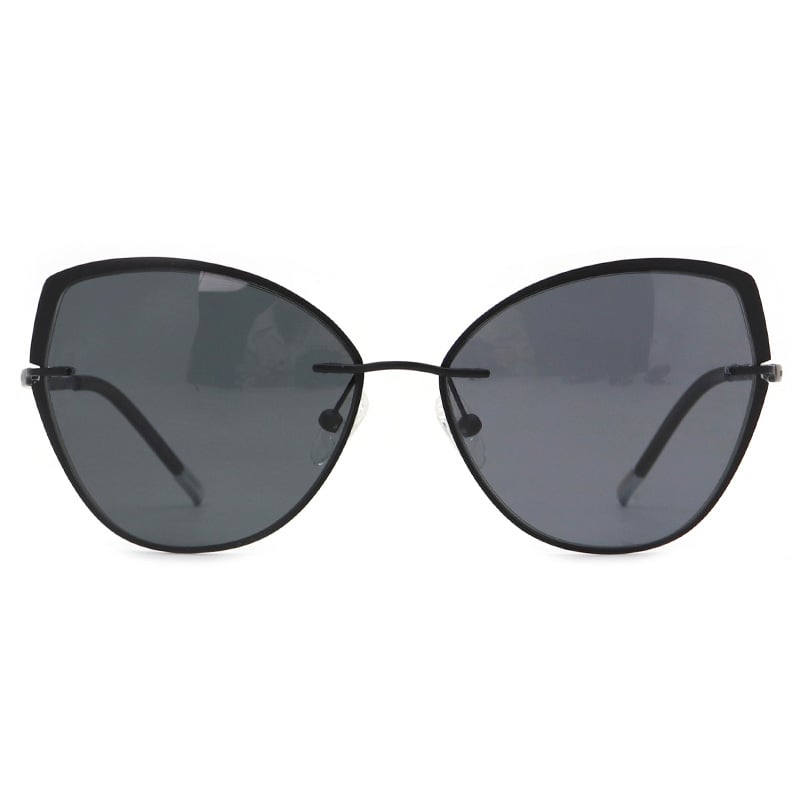
An eyewear oem factory must demonstrate expertise across multiple testing domains to maintain product quality standards. Leading manufacturers operate internal laboratories equipped with precision instruments, optical testing systems, and material analysis tools that go far beyond basic visual inspection. These capabilities ensure that every frame meets dimensional specifications, that lenses deliver intended optical properties, and that materials withstand real-world wear conditions. Understanding which testing capabilities matter most will guide your selection process and protect your brand reputation in competitive markets.
Optical Testing and Lens Precision
Refractive Power Verification
Optical accuracy forms the foundation of eyewear quality. An eyewear oem factory must employ automated lensometers and optical benches capable of measuring refractive power with precision to 0.01 diopter or better. These instruments verify that finished lenses meet prescription specifications and that any optical treatments or coatings do not distort light transmission. Testing protocols should include measurements across multiple zones of the lens to confirm uniform optical performance, especially for progressive or specialized lens designs.
Lens Coating and Surface Quality
Lens coatings significantly impact optical clarity, durability, and functionality. A quality glasses factory must test coating adhesion, hardness, and uniformity using standardized methods such as scratch resistance tests and solvent resistance protocols. Advanced facilities employ spectrophotometers to verify anti-reflection coatings achieve specified light transmission percentages. Surface inspection systems detect imperfections, dust particles, or irregularities that compromise optical performance. These testing steps prevent delivering lenses with defective coatings that fail prematurely in customer hands.
Material Durability and Safety Testing
Impact Resistance and Lens Strength
Eyewear frames and lenses must withstand accidental drops, impacts, and daily mechanical stress. An optical frame manufacturer should conduct impact testing using calibrated drop towers and steel ball drop tests according to ISO or ANSI standards. These tests verify that materials and construction methods prevent lens fracture or frame failure under realistic scenarios. High-velocity impact testing ensures safety compliance for products marketed in regulated markets. Facilities must maintain detailed impact test records demonstrating consistent performance across production batches.
Material Composition Verification
Frame materials vary in properties and cost implications. Leading eyewear oem factory operators employ X-ray fluorescence and scanning electron microscopy to verify that materials meet specifications. Testing confirms titanium alloys contain proper elemental ratios, that acetate materials meet dimensional stability requirements, and that metals meet corrosion resistance standards. Chemical composition analysis prevents material substitution that could compromise durability or allergenic safety. Buyers should request certificates of analysis for critical material lots.
Structural Integrity and Durability Assessments
Hinge Mechanism and Fatigue Testing
Frame hinges represent stress concentration points that demand rigorous testing. An eyewear manufacturer must perform repetitive hinge flexure tests simulating years of opening and closing cycles. Automated testing machines cycle hinges thousands of times while monitoring resistance force, mechanical noise, and structural integrity. This testing identifies premature wear, screw loosening, or hinge joint failure before products reach customers. Specifications should require testing protocols that simulate realistic usage patterns, not just arbitrary cycle counts.
Salt Spray and Corrosion Resistance
Eyewear exposure to sweat, moisture, and salt environments demands corrosion protection validation. A glasses factory must conduct salt spray chamber testing following ASTM or ISO standards to verify that metal components resist oxidation and surface degradation. Testing duration typically extends 500 to 1000 hours, exposing frames to accelerated corrosion conditions. Coating systems, plating thickness, and material selection all influence corrosion resistance performance. Buyers in humid or coastal regions should verify these specific test results before committing to orders.
Manufacturing Process Control and Quality Systems
Dimensional Accuracy and Tolerancing
Consistency across production batches depends on robust process control. An eyewear oem factory must employ coordinate measuring machines and optical inspection systems to verify dimensional accuracy against design specifications. Bridge width, temple length, lens dimensions, and other critical parameters require measurement verification on statistical samples from each production run. Documented measurement data and control charts demonstrate process stability and capability. Buyers should request inspection protocol documentation and sampling plans before production begins.
Chemical and Residue Analysis
Lens cleanliness and chemical residues affect optical quality and durability. Leading optical frame manufacturers perform residue testing to verify that manufacturing solvents, polishing compounds, and contamination particles have been properly removed. Testing may include particle counting, chemical residue measurement, and water droplet contact angle analysis. These tests ensure that lenses maintain anti-reflection coating performance and that customers receive clean, ready-to-use products without requiring additional cleaning or processing.
Regulatory Compliance and International Standards
Certification and Test Documentation
Reputable eyewear manufacturers maintain certifications demonstrating compliance with ISO 12312 for sunglasses, ISO 12587 for ophthalmic lenses, and other relevant standards. A glasses factory should provide comprehensive test reports issued by accredited laboratories, detailing procedures, equipment calibration, and results. These documents protect your business by proving products meet market requirements and customer expectations. Certification gaps may indicate that a manufacturer cuts corners on quality or lacks technical infrastructure.
Continuous Improvement and Testing Evolution
Markets and regulations evolve continuously, requiring manufacturers to update testing protocols and capabilities. An eyewear manufacturer committed to quality invests in new testing equipment, trains personnel on emerging standards, and participates in industry quality initiatives. Discussions about testing capabilities should include plans for future upgrades and adaptation to market changes. This forward-thinking approach signals a partner committed to maintaining product excellence as customer demands and regulatory requirements shift.
FAQ
What testing capabilities should top priority when evaluating an eyewear manufacturer?
Prioritize optical precision testing, impact resistance verification, and material durability assessment. These three areas directly influence product performance and customer satisfaction. An eyewear manufacturer must demonstrate capabilities in lensometer testing, impact drop testing, and corrosion resistance protocols. Request actual test reports and accreditation documentation before making decisions.
How does an eyewear oem factory prove testing consistency across production batches?
Reputable glasses factory operators maintain statistical process control documentation showing measurements from production samples. They track measurement data using control charts, maintain calibration records for testing equipment, and perform validation testing on regular intervals. Buyers should request sampling inspection plans and historical control data demonstrating sustained performance across multiple production runs.
Why should buyers verify optical frame manufacturer testing capabilities before placing large orders?
Testing capabilities directly predict whether a glasses factory can deliver consistent quality at scale. Manufacturers without proper testing infrastructure often experience batch quality variations, warranty claims, and brand damage. By evaluating testing systems upfront, you avoid costly delays, product recalls, and reputation harm that far exceed the cost of thorough supplier evaluation.



