
 EN
Machinery and Tooling Capabilities of an Eyewear Manufacturer: A Technical Guide for Eyewear Buyers
What machinery defines a top eyewear OEM? Discover injection molding, CNC, plating & QC tech that ensure quality, speed & customization. Evaluate suppliers confidently.
Understanding the technical capabilities of an eyewear manufacturer is essential for buyers seeking quality products and reliable partnerships. The machinery and tooling infrastructure of a glasses factory directly impacts product quality, production speed, and customization potential. When evaluating potential suppliers, knowing what equipment and processes an eyewear oem factory operates helps you assess capacity, precision standards, and whether they can meet your specific requirements. This technical guide explores the machinery landscape that modern optical frame manufacturers use to deliver competitive eyewear solutions.
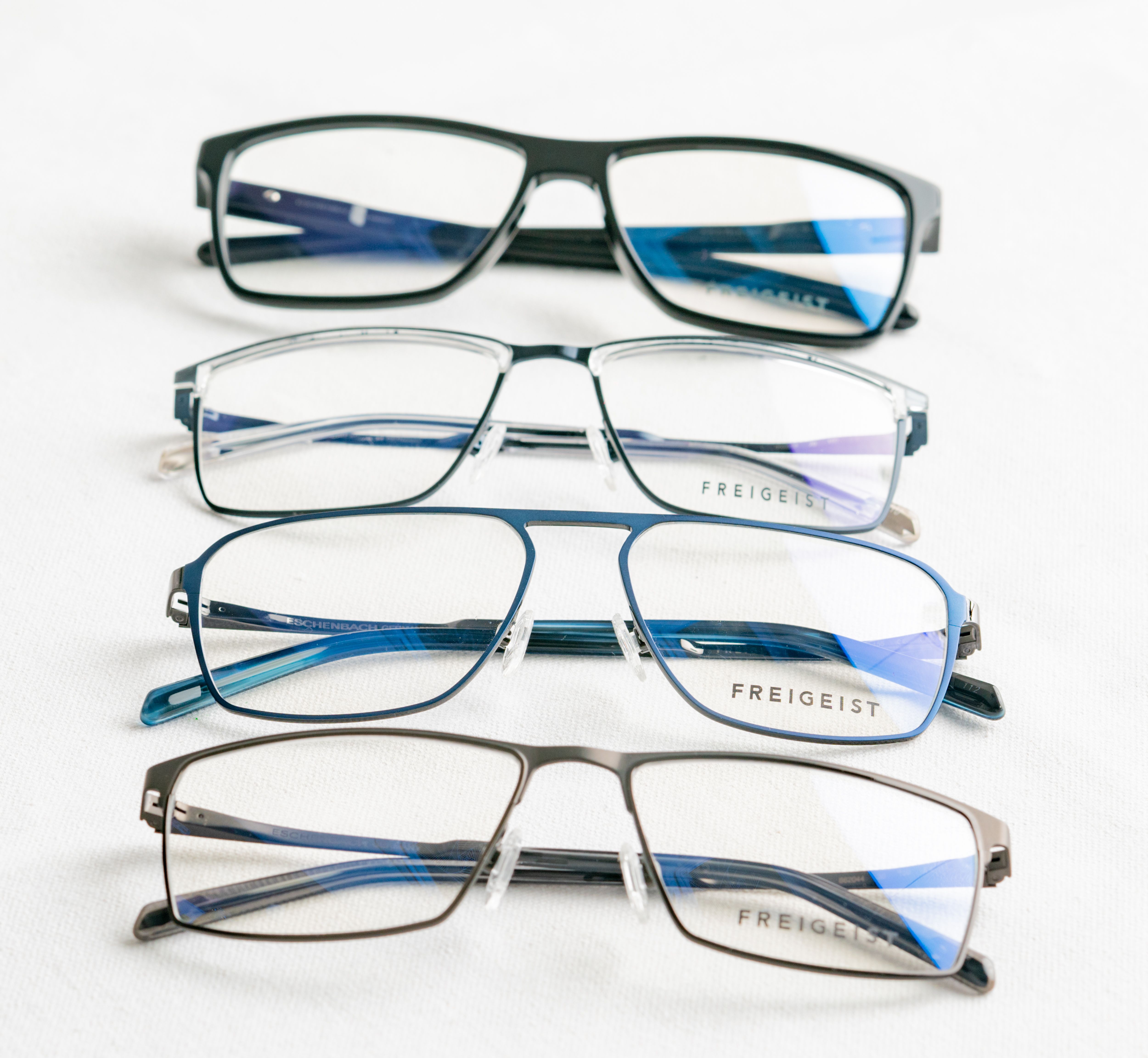
An eyewear manufacturer investing in state-of-the-art technology demonstrates commitment to efficiency and excellence. A glasses factory equipped with modern machinery can produce higher volumes without compromising quality, while an eyewear oem factory with advanced tooling can accommodate complex designs and custom specifications. Optical frame manufacturers typically maintain diverse equipment portfolios spanning design, production, finishing, and quality control stages. This comprehensive technical infrastructure allows them to serve different market segments and customer demands simultaneously.
Core Production Machinery and Tooling Systems
Injection Molding and Frame Manufacturing Equipment
Modern glasses factories rely heavily on injection molding machines to manufacture plastic frames efficiently. These industrial-grade machines compress heated plastic material into precision molds, creating frames with tight tolerances and consistent dimensions. An eyewear oem factory typically operates multiple molding units simultaneously to meet production targets while maintaining quality standards. Advanced injection molding systems allow optical frame manufacturers to experiment with colors, textures, and material compositions, giving them flexibility to respond to market trends and customer preferences.
Metal frame production requires different specialized equipment. An eyewear manufacturer working with titanium, stainless steel, or acetate materials needs metal cutting machines, stamping presses, and CNC machining centers. These tools enable precise shaping of bridge widths, temple angles, and hinge mechanisms. A professional glasses factory maintains multiple CNC machines to handle batch production orders efficiently, while an eyewear oem factory can adjust tooling parameters to accommodate design variations across different customer specifications.
Precision Machining and CNC Technology
CNC machining centers form the backbone of advanced optical frame manufacturers' production capabilities. These computer-controlled machines cut, drill, and shape frame components with micron-level accuracy. An eyewear manufacturer using five-axis CNC equipment can produce intricate designs that manual machines cannot achieve. Glasses factories often invest in both vertical and horizontal CNC machines to optimize production workflows and reduce setup times. The precision offered by modern CNC technology directly impacts how tight an eyewear oem factory can hold component tolerances, influencing hinge durability and lens fitting accuracy.
CNC equipment also enables rapid prototyping and small-batch production. An optical frame manufacturer can quickly transition from design concepts to physical samples without expensive retooling. This capability matters significantly for buyers developing new product lines or testing market concepts. Many eyewear manufacturers now use CAD-to-machine workflows where design files transfer directly to CNC equipment, reducing human error and accelerating time-to-production.
Quality Control and Finishing Technologies
Precision Measurement and Testing Equipment
Professional eyewear manufacturers employ sophisticated measuring equipment to ensure every frame meets specifications. Optical comparators and coordinate measuring machines (CMMs) verify dimensions, verify angles, and identify defects invisible to the naked eye. A reputable glasses factory integrates CMM testing into production workflows, checking critical dimensions on sample frames throughout each production run. An eyewear oem factory committed to quality maintains testing documentation that buyers can audit, proving consistency and reliability across shipments.
Lens processing equipment represents another critical quality-control component. Optical frame manufacturers need edging machines, polishing equipment, and anti-reflective coating systems to deliver finished eyewear. An advanced eyewear manufacturer invests in automated lens cutting systems that reduce waste and improve precision. Glasses factories using modern lens processing technology can handle different lens materials and coatings, expanding the customization options available to buyers.
Surface Treatment and Finishing Systems
Surface treatment directly affects product appearance, durability, and brand perception. An eyewear manufacturer typically operates plating equipment for metal frames, applying gold, silver, or nickel finishes that enhance aesthetics and resist corrosion. Electroplating systems require precise control of voltage, temperature, and chemical composition. A glasses factory maintaining strict surface treatment protocols ensures consistent color matching and coating durability across production batches. An optical frame manufacturer using high-quality plating solutions delivers products that resist fading and maintain their finish through normal use and cleaning.
Polishing and buffing equipment creates smooth surfaces and desired finishes on both plastic and metal frames. An eyewear oem factory uses automated polishing systems for efficiency and consistency, while manual finishing handles detailed work around hinges and bridge areas. Many optical frame manufacturers combine automated and hand-finishing processes, optimizing for both speed and quality outcomes that meet buyer specifications.
Capacity Planning and Production Capabilities
Production Volume and Lead Time Considerations
Understanding an eyewear manufacturer's equipment capacity directly informs purchasing decisions and supply chain planning. A glasses factory with multiple injection molding lines can handle larger orders while maintaining shorter lead times. An eyewear oem factory's throughput depends on machine count, shift scheduling, and product complexity. Optical frame manufacturers operating two or three shifts can deliver higher annual volumes than single-shift facilities. When evaluating potential suppliers, inquire about their machinery capacity and typical production timelines for your order quantities.
Lead times vary significantly based on equipment availability and production scheduling. An established eyewear manufacturer with diversified machinery can absorb rush orders more easily than facilities with limited equipment. Glasses factories nearing capacity constraints may experience delays during peak seasons. An eyewear oem factory transparently communicating its available capacity helps buyers plan inventory needs and avoid supply disruptions. The relationship between machinery investment and production capability directly impacts your ability to scale orders as market demand grows.
Customization and Technical Flexibility
Modern eyewear manufacturers differentiate themselves through technical flexibility enabled by their equipment investments. An optical frame manufacturer with advanced mold-making capabilities can develop custom frame designs within shorter timeframes and lower minimums. A glasses factory maintaining diverse tooling allows buyers to request color variations, material changes, or dimensional adjustments without complete production retooling. An eyewear oem factory investing in rapid prototyping equipment demonstrates commitment to collaborative product development with customers.
The range of customization options reflects an eyewear manufacturer's technical sophistication. Request information about minimum order quantities, lead times for custom specifications, and historical examples of modifications they have accommodated. A professional glasses factory documents their design flexibility and provides examples of custom work. An optical frame manufacturer transparent about their capabilities and limitations helps establish realistic expectations and productive partnerships.
FAQ
What machinery defines a professional eyewear manufacturer?
A professional eyewear manufacturer operates integrated equipment systems spanning design, injection molding or metal machining, precision finishing, and quality control. An optical frame manufacturer should possess CNC machining centers, injection molding machines, surface treatment systems, and coordinate measuring equipment. A glasses factory with this equipment range can handle both standard and custom production. An eyewear oem factory demonstrating technical depth in these areas typically delivers superior quality and faster response to buyer requests.
How does machinery quality impact eyewear product consistency?
Machinery quality directly determines component tolerances and surface finish consistency. An eyewear manufacturer using well-maintained, precision equipment produces frames with tighter specifications and fewer defects. A glasses factory investing in modern CNC technology and automated quality control equipment reduces variation between production batches. An eyewear oem factory maintaining regular equipment calibration and preventive maintenance ensures consistent results throughout extended production runs. Buyers benefit from selecting an optical frame manufacturer that prioritizes equipment maintenance and continuous improvement.
Can an eyewear manufacturer handle custom specifications and small batches?
Advanced eyewear manufacturers with flexible tooling and CNC capabilities can accommodate custom specifications and smaller order quantities. A glasses factory with rapid prototyping equipment can develop samples quickly for buyer approval. An eyewear oem factory using programmable CNC machines can switch between different designs without extensive retooling costs. However, an optical frame manufacturer's willingness to accept custom work depends on minimum order volumes and available capacity. Discussing your specific requirements directly with potential suppliers clarifies what customization options they can realistically provide.



