
 EN
Reducing Defect Rates in Eyewear Quality Inspection: Practical Quality Control Steps
Discover 5 actionable quality control steps that cut defect rates in optical, fashion & prescription eyewear. Start improving today.
Quality control in eyewear manufacturing is one of the most critical operations that directly impacts customer satisfaction, brand reputation, and operational profitability. Defects in eyewear products range from minor cosmetic issues to major functional failures that render frames unusable or lenses improperly aligned. Reducing defect rates requires a systematic approach to quality inspection that combines human expertise with standardized procedures and measurable metrics.
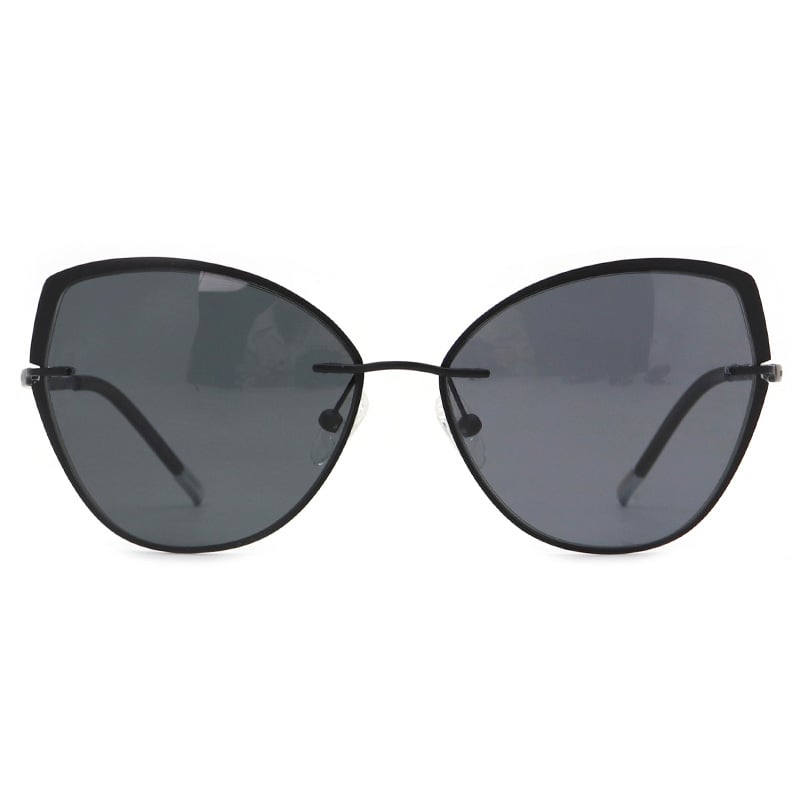
Whether you manufacture optical eyewear, fashion eyewear, or prescription eyewear, implementing structured quality control steps will significantly lower defect rates and improve product consistency. This guide outlines practical, actionable inspection protocols that manufacturers can integrate into existing production workflows to achieve measurable quality improvements.
Understanding Common Defects in Eyewear Production
Frame and Material Defects
Frame defects represent the most visible quality issues in eyewear manufacturing. These include surface scratches, paint peeling, uneven coating application, and material discoloration that affect the aesthetic appeal of optical eyewear and fashion eyewear products. Structural defects such as misaligned hinges, loose bridge components, or uneven temple arms compromise both comfort and safety. Material brittleness, warping under temperature, and improper molding create long-term durability issues that become apparent only after customer purchase.
Prescription eyewear requires additional precision because frame dimensions directly affect lens fitting and optical performance. Even minor deviations in bridge width, temple length, or lens hole diameter can cause lenses to sit incorrectly, leading to customer returns and warranty claims. Identifying these frame defects early in production prevents downstream rework costs and maintains consistent quality across all eyewear product lines.
Lens and Optical Quality Issues
Lens defects in prescription eyewear and optical eyewear include scratches, bubbles trapped during coating application, uneven anti-reflective coating, and improper curvature specifications. These defects directly impact optical clarity and wearer comfort. Fashion eyewear with gradient or colored lenses must have uniform color distribution and precise tint intensity, which require specialized inspection techniques to detect inconsistencies that human eyes might miss under standard lighting.
Lens mounting defects occur when lenses are misaligned within frames, causing stress on the frame structure and potential breakage during normal wear. Improper cement application, misalignment during assembly, and inadequate drying time all contribute to lens-related quality failures that must be caught before shipment to customers.
Establishing Systematic Inspection Checkpoints
Incoming Material Inspection
Quality control for eyewear begins before production starts, with rigorous inspection of incoming raw materials. All optical eyewear frames, fashion eyewear materials, and lens blanks must be verified against supplier specifications before entering the manufacturing process. This checkpoint prevents defective materials from reaching assembly stations, which would waste labor and create cascading quality issues. Document every material batch with identification numbers, inspection dates, and acceptance or rejection criteria to maintain traceability and accountability.
Material inspection should include visual assessment for surface defects, dimensional verification using precision calipers or gauges, and documentation of material certifications. For prescription eyewear components, verify that lens power ratings and material composition match purchase orders exactly. Establishing clear acceptance standards and rejection thresholds prevents subjective decision-making and ensures consistency across all incoming material batches.
In-Process Quality Control During Assembly
In-process inspection happens at multiple stages during eyewear assembly and is critical for catching defects before final products reach packaging. Implement checkpoints after frame molding, after coating application, after lens insertion, and before final assembly. Each checkpoint should have a designated inspector who verifies specific quality criteria using standardized checklist procedures. For optical eyewear and fashion eyewear alike, this prevents expensive rework and maintains consistent quality across production batches.
Assign responsibility clearly to individual inspectors or inspection teams, rotate inspectors regularly to prevent fatigue-related oversights, and provide ongoing training on updated quality standards. Use photographic references and physical samples to establish consistent visual benchmarks that all inspectors follow. For prescription eyewear, verify lens power using automated optical measurement devices to ensure accuracy before final assembly.
Final Product Inspection Before Shipment
Final inspection serves as the last defense against defective eyewear reaching customers. Every eyewear product should undergo comprehensive examination including frame condition, lens clarity, lens mounting integrity, and functional testing. Use standardized inspection sheets that require inspectors to evaluate multiple dimensions of quality and document their findings. Implement statistical sampling protocols for high-volume production runs, where a percentage of finished eyewear products receive 100% inspection while others are spot-checked according to acceptance sampling plans.
For fashion eyewear and prescription eyewear, ensure that cosmetic appearance meets brand standards under controlled lighting conditions. Verify that all moving parts function smoothly, that frames hold their shape, and that lens-to-frame gaps are within specification. Reject any product that fails to meet minimum quality standards and document defects for root cause analysis to prevent recurrence.
Implementing Measurement Tools and Data Tracking
Inspection Equipment and Technology
Invest in appropriate inspection tools that allow objective quality assessment rather than relying entirely on subjective human judgment. For optical eyewear and fashion eyewear, automated optical measurement systems can detect lens defects, verify lens power, and check frame dimensions with greater accuracy than manual inspection alone. Coordinate measurement machines (CMMs) measure frame geometry precisely, ensuring that all prescription eyewear meets dimensional specifications. Surface inspection cameras can detect scratches, coating defects, and color inconsistencies on eyewear frames and coatings.
While technology improves consistency, combine automated inspection with trained human inspectors who can evaluate factors that machines may miss, such as overall aesthetic balance and wearer comfort characteristics. Cross-training inspectors to use multiple measurement tools ensures flexibility and reduces dependency on single operators. Regular calibration and maintenance of all inspection equipment prevent measurement drift and maintain reliability over time.
Quality Metrics and Root Cause Analysis
Establish clear, measurable quality metrics that track defect rates by product type, by production stage, and by defect category. Record every defect found during inspection, classify it according to predefined categories, and analyze trends to identify which defects occur most frequently. Create a system where inspectors document not just what defects they find, but also where in the production process those defects likely originated. For eyewear products, this might mean tracking whether scratches came from material handling, frame molding, coating processes, or assembly stages.
Implement regular quality review meetings where production managers, inspectors, and engineers analyze defect data together. When defect rates exceed acceptable thresholds for optical eyewear, fashion eyewear, or prescription eyewear, conduct root cause investigations to identify underlying equipment problems, material issues, operator errors, or process design flaws. Use findings to implement corrective actions that prevent future occurrences rather than simply reworking defective products repeatedly. Document all corrective actions and track their effectiveness through ongoing metric monitoring.
FAQ
What are the most common defect types found in eyewear quality inspection?
Common defects in eyewear inspection include frame surface scratches, uneven coating application, misaligned hinges, lens mounting errors, optical distortion in prescription eyewear, bubble inclusions in coatings, and color inconsistencies in fashion eyewear. Each defect type requires specific inspection techniques and trained evaluators to detect consistently.
How often should eyewear products undergo quality inspection?
Quality inspection should happen continuously throughout production, including incoming material checks, in-process inspections at multiple assembly stages, and final product inspection before shipment. Implement statistical sampling based on production volume, but ensure that high-risk components for optical eyewear and prescription eyewear receive more frequent inspection than standard fashion eyewear items to maintain quality consistency.
What measurement tools are most effective for eyewear defect detection?
Automated optical measurement systems, coordinate measurement machines (CMMs), surface inspection cameras, and lens power measurement devices provide objective data for eyewear quality assessment. Combine these tools with trained human inspectors who evaluate overall aesthetics and functional performance. Regular equipment calibration ensures accurate results and prevents measurement variability that could lead to escaped defects.



