
 EN
Frame Warping in Eyeglass Frames During Heat Adjustment: Prevention Strategies for Eyewear Brands
Discover material-specific prevention strategies that cut defects by 70% and boost brand trust. Download the full guide now.
Heat adjustment is a critical process in eyewear manufacturing and repair, yet it remains one of the most common causes of frame damage if not handled with precision. When eyeglass frames undergo thermal treatment—whether for lens fitting, temple adjustment, or bridge modification—the material responds to temperature changes in ways that can compromise structural integrity. Understanding the mechanisms behind frame warping and implementing robust prevention strategies is essential for eyewear brands committed to delivering quality products that meet customer expectations and durability standards.
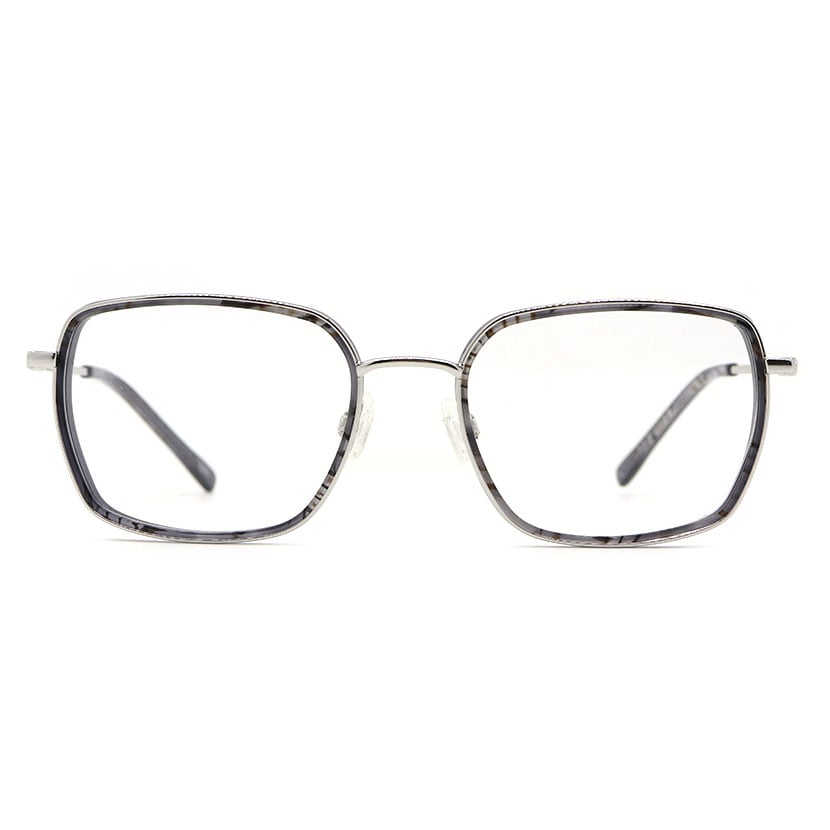
The challenge of preventing frame warping during heat adjustment extends beyond simple temperature control. Different frame materials respond differently to thermal stress, and timing, cooling methods, and holding techniques all play significant roles in protecting spectacle frames from permanent deformation. By adopting systematic prevention approaches, manufacturers and eyewear retailers can reduce defect rates, improve customer satisfaction, and establish a reputation for producing reliable optical frames that withstand the rigors of regular use.
Understanding Heat-Induced Frame Warping Mechanisms
Material Response to Thermal Stress
Each material used in eyeglass frames responds distinctly to heat exposure. Acetate frames, popular in fashion-forward eyewear collections, exhibit low melting points and become pliable at relatively low temperatures around 160–180°C. Metal spectacle frames, particularly aluminum and titanium alloys, have higher thermal stability but can experience stress-induced dimensional changes if heated unevenly. Mixed-material optical frames combining plastic temples with metal fronts face compounded warping risks because the different materials expand at different rates, creating internal stress that can permanently alter frame geometry.
Thermal Expansion and Contraction Cycles
When eyeglass frames are heated, their molecular structure expands. If cooling occurs too rapidly or unevenly, the outer layers solidify while inner regions continue contracting, creating residual stress that locks the frame into a warped position. This is especially problematic in adjustment procedures requiring repeated heating cycles, where cumulative stress from multiple temperature fluctuations compounds over time. Proper understanding of these thermal dynamics is essential for preventing permanent deformation in both spectacle frames and optical frames used across diverse markets.
Critical Prevention Strategies for Heat Adjustment
Controlled Temperature Management
The foundation of preventing frame warping starts with precise temperature control. Professional eyewear facilities use calibrated heating equipment that maintains consistent temperatures tailored to specific frame materials. For acetate-based eyeglass frames, controlled heating between 65–75°C for extended periods is safer than rapid heating to higher temperatures. For metal optical frames, heating to 70–80°C proves sufficient for most adjustment tasks. Using digital thermometers and infrared temperature guns ensures that heating equipment delivers the intended temperature, preventing inadvertent overheating that causes permanent structural damage to spectacle frames.
Proper Cooling Protocols
Rapid cooling is a primary culprit in frame warping. Instead of removing heated eyeglass frames from warmth and exposing them to room-temperature air, technicians should employ gradual cooling methods. Placing adjusted frames on heat-resistant mats at room temperature and allowing 10–15 minutes of passive cooling significantly reduces warping risk compared to active cooling methods. For sensitive optical frames with mixed materials, placing frames in a warm water bath and allowing the bath to cool naturally over 20–30 minutes provides optimal results. This graduated transition prevents the internal stress that occurs when outer surfaces cool faster than inner material.
Protective Holding and Restraint Techniques
During the heating and cooling process, frame geometry must be actively protected from gravitational and handling stresses. Using specialized frame holders, heat-resistant fixtures, or alignment jigs that support eyeglass frames in their intended position prevents uncontrolled deformation. For spectacle frames with complex designs, custom-made holding blocks ensure temples, bridge, and front remain properly aligned during thermal treatment. High-quality optical frames benefit from restraint systems that distribute pressure evenly across the frame structure, preventing localized stress concentration that leads to permanent warping.
Material-Specific Adjustment Best Practices
Acetate and Plastic Spectacle Frames
Acetate eyeglass frames require conservative heat application due to their thermoplastic nature. The optimal approach involves warm water immersion (55–65°C) for 3–5 minutes followed by manual adjustment while the frame remains warm and flexible. After adjustment, frames should be held in correct alignment while cooling in still air for at least 15 minutes. Rapid or repeated heating cycles should be avoided, as acetate frames accumulate heat damage with successive adjustments. This careful methodology protects the material integrity of spectacle frames and maintains optical alignment throughout the frame's lifespan.
Metal and Titanium Optical Frames
Metal optical frames, particularly titanium alloys, tolerate higher temperatures but can develop warping if heating is localized rather than uniform. The best practice involves heating the entire frame evenly rather than targeting specific components. Using heat chambers or uniform immersion methods ensures consistent temperature distribution across all parts of eyeglass frames. After adjustment, metal frames should cool in still air at room temperature without artificial cooling methods that shock the material and induce warping. Titanium spectacle frames especially benefit from this gradual cooling approach, which preserves their structural properties and maintains precise alignment required for optical performance.
FAQ
What is the ideal temperature range for adjusting acetate eyeglass frames?
Acetate eyeglass frames should be adjusted using warm water between 55–65°C rather than dry heat, which can exceed safe temperature thresholds quickly. This temperature range softens the material sufficiently for adjustment without risking the color fading, permanent deformation, or brittleness associated with higher temperatures. Keeping immersion time to 3–5 minutes minimizes cumulative thermal damage and helps maintain the integrity of spectacle frames during the adjustment process.
How does uneven cooling cause permanent warping in optical frames?
When heated optical frames cool unevenly, the outer surfaces solidify and contract before inner material finishes cooling, creating locked-in stress and internal strain. This residual stress gradually causes the frame to shift toward its stressed geometry, resulting in permanent warping that cannot be reversed through simple re-adjustment. Gradual, uniform cooling prevents this molecular locking mechanism and preserves the intended frame shape in eyeglass frames over extended use periods.
Can titanium spectacle frames be adjusted multiple times without warping?
Titanium spectacle frames are highly resistant to warping compared to acetate or standard metal eyeglass frames due to their superior material properties and higher thermal stability. However, repeated adjustments using improper heating or cooling methods can still cause cumulative stress and minor dimensional changes. Following uniform heating protocols and gradual cooling procedures ensures that titanium optical frames withstand multiple adjustments while maintaining their original geometry and optical performance.



