
 EN
Prism Deviation and Its Effect on Reading Glasses Comfort: A Technical Guide for Eyewear Buyers
Unwanted prism deviation causes discomfort—learn how PD alignment, frame fit & lens design fix it.
Reading glasses are one of the most commonly purchased vision correction devices, yet many wearers experience discomfort without understanding the underlying optical principles at play. Prism deviation, a technical measurement of how light bends through the lens, directly impacts how comfortable your reading glasses feel during extended use. Whether you're shopping for readers for the first time or upgrading your presbyopic glasses, understanding this optical phenomenon can transform your eyewear experience from frustrating to seamless.
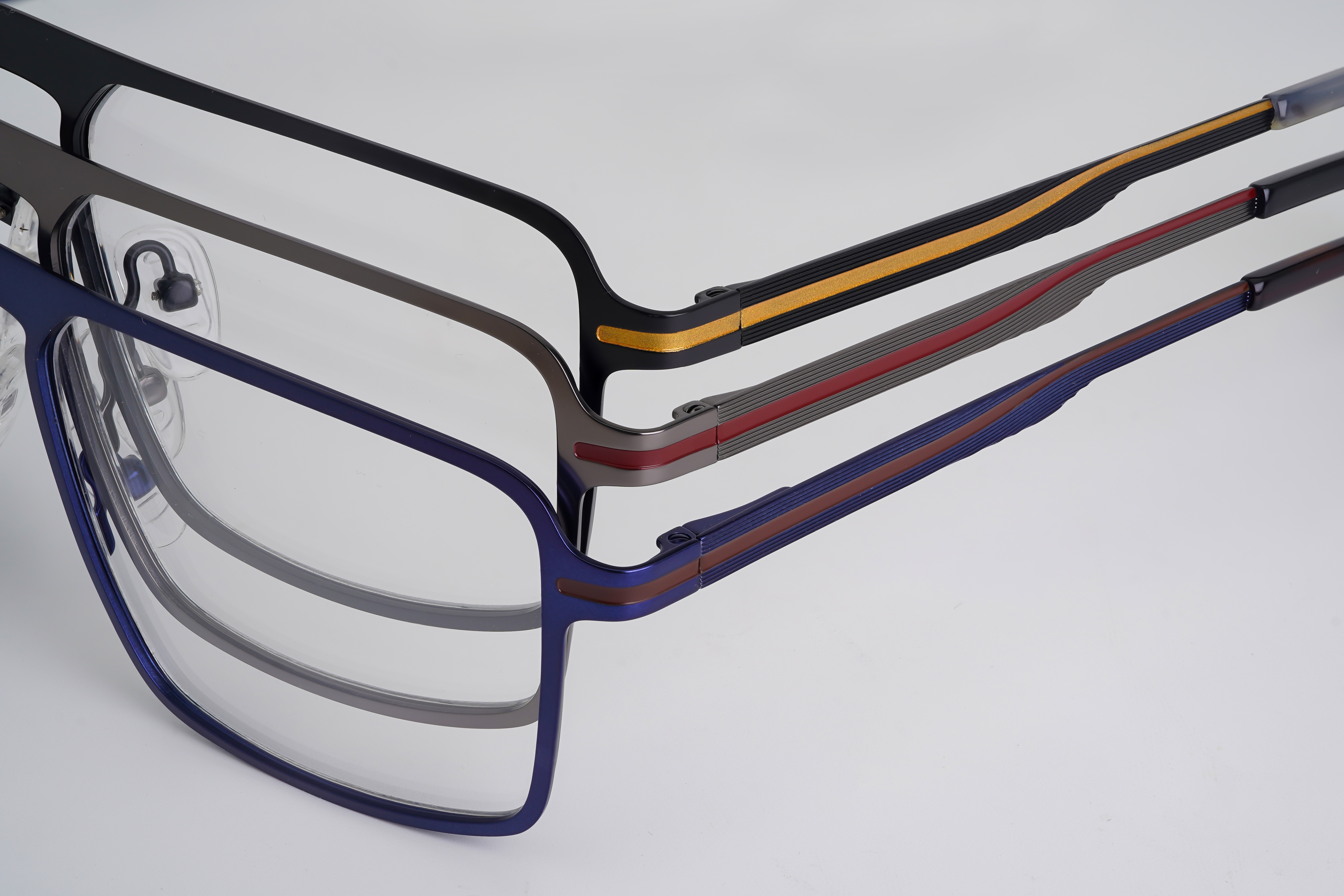
Prism deviation occurs when light passing through a lens is bent away from its intended path, creating a prismatic effect that shifts the visual image. In presbyopic glasses and readers, unwanted prism deviation causes eye strain, double vision, and headaches because your eyes must work harder to process the shifted images. Proper lens design, accurate pupil distance measurement, and correct frame fit all work together to minimize prism deviation and ensure your reading glasses deliver clear, comfortable vision for hours of reading, computer work, or detailed tasks.
Understanding Prism Deviation in Optical Lenses
What Prism Deviation Means for Your Vision
Prism deviation is measured in prism diopters, a unit that quantifies how much a lens bends light rays. When you look through a reading glasses lens, light enters at an angle and refracts according to the lens power and curvature. If the optical center of the lens does not align perfectly with your pupil, you are looking through a portion of the lens off-axis, which introduces unwanted prism. This prismatic effect is invisible to the naked eye but very real to your visual system, which perceives the image as displaced or distorted.
For readers and presbyopic glasses, even small amounts of unwanted prism can accumulate over hours of wear. Your eyes attempt to compensate by converging more than necessary, fatiguing the extraocular muscles. The result is the familiar discomfort many people experience with new readers or magnifying glasses: blurred edges, a swimming sensation, or difficulty focusing at the bottom of the lens.
How Lens Power Amplifies Prism Effects
Higher-power reading glasses create stronger prism deviation when the wearer looks away from the optical center. This is why +2.50 diopter readers are more sensitive to misalignment than +1.50 diopter readers. The stronger the magnifying glasses prescription, the more critical precise lens positioning becomes. Presbyopic glasses with bifocal or progressive designs introduce additional complexity because different regions of the lens have different powers and optical centers, multiplying the potential for prism-induced discomfort.
Manufacturers of quality readers account for this principle by optimizing lens geometry and frame design. Premium reading glasses often feature spherical or aspheric lens designs that distribute optical power more evenly, reducing prism deviation across the entire lens surface. Budget magnifying glasses may sacrifice this refinement, resulting in prism effects that become apparent only after you've purchased them.
Factors That Create and Control Prism Deviation
Pupil Distance and Optical Center Alignment
The most critical factor controlling prism deviation is the accurate measurement and alignment of your pupil distance (PD) with the optical center of your reading glasses lenses. Your PD is the distance between the centers of your pupils, typically measured in millimeters. When a frame is fitted so that the optical centers sit exactly at your pupils, you look straight through the lens's strongest point, minimizing prism. Presbyopic glasses frames with incorrect PD alignment force you to look through off-axis regions where prism deviation accumulates rapidly.
Many eyewear buyers overlook PD measurement when ordering readers online. Standard readers often assume an average PD of 62–64 mm, suitable for typical adult faces but inaccurate for many individuals. If your PD is 60 mm or 68 mm, and you purchase readers designed for 63 mm, you're introducing approximately 1–2 prism diopters of unwanted deviation with every wear. This misalignment is a leading cause of discomfort in reading glasses despite correct lens power.
Frame Fit and Lens Position
Even if your reading glasses lenses are precisely made, poor frame fit undermines optical performance. Frames that sit too high, too low, or at an incorrect angle position the optical centers away from your natural gaze, creating prism deviation. Presbyopic glasses should rest evenly on your nose bridge, with the temples parallel to your temples and the front of the frame level with your eyebrows. When frames slip down your nose or tilt during wear, the optical centers shift, and prism effects increase.
Quality readers are designed with ergonomic nose pads and temple shapes that maintain stable positioning throughout the day. Cheap magnifying glasses often lack these refinements, allowing frames to drift and multiply prism errors. Before purchasing reading glasses, ensure the fit matches your head size and shape, not just your prescription.
Lens Design and Material Selection
Modern readers employ advanced lens designs specifically engineered to minimize prism deviation across a wider field of view. Aspheric lenses, which have a flattened curvature rather than traditional spherical curves, distribute optical power more evenly and reduce edge prism. Anti-glare coatings and blue-light filters don't directly affect prism but improve overall visual comfort by reducing reflections and digital eye strain, which can compound discomfort from prism deviation.
Material choice also influences how prism deviation is managed. High-index plastic lenses reduce thickness and weight, which can improve frame fit and reduce the mechanical stress that exacerbates prism-related discomfort. Polycarbonate readers offer impact resistance and are popular for active lifestyles, while standard plastic offers excellent optical clarity for stationary reading tasks.
Practical Comfort Considerations for Reading Glasses Buyers
Recognizing Prism-Related Discomfort
Discomfort from prism deviation in reading glasses often manifests as visual symptoms that differ from simple blurriness. You might notice that text at the edges of the lens appears blurry or distorted while the center remains clear, or that your eyes feel strained after 30–60 minutes of continuous reading. Some wearers report a subtle double image or a swimming sensation when they move their eyes within the lens. Headaches that develop after wearing readers for an hour or more frequently indicate prism issues rather than incorrect lens power.
If you experience these symptoms with your current presbyopic glasses, the problem may not be your prescription but your optical center alignment or frame fit. Before upgrading to a higher lens power, consult an eye care professional to verify that your PD measurement is accurate and that your frame fit is optimal.
Selecting the Right Reading Glasses for Your Needs
When shopping for new readers or magnifying glasses, prioritize getting an accurate PD measurement from an optometrist. Many eyewear retailers now offer detailed frame geometry and fit recommendations based on your specific PD and face measurements. Choose frames with adjustable nose pads to ensure they maintain proper positioning during wear.
For presbyopic glasses with higher prescriptions or bifocal/progressive designs, working with a professional optician ensures that optical centers are positioned precisely and that the frame is adjusted to match your individual anatomy. While professional fitting costs more than generic readers, the elimination of prism-related discomfort justifies the investment for daily wearers.
Budget-conscious buyers can minimize prism issues by selecting moderate lens powers—typically +1.50 to +2.00 diopters—which are less sensitive to optical center misalignment than higher prescriptions. Avoid extreme PD assumptions and measure your own PD at home using simple online tools if professional measurement isn't immediately available.
FAQ
Can prism deviation in reading glasses cause permanent eye damage?
No, prism deviation does not cause permanent damage to your eyes, but it can create significant temporary discomfort and strain. Your visual system is resilient and will return to normal once you remove the glasses or correct the optical misalignment. However, prolonged exposure to uncorrected prism in your reading glasses can lead to chronic eye fatigue, tension headaches, and reduced visual efficiency. The best approach is to address prism issues promptly through proper measurement and frame adjustment.
How do I know if my readers have the correct prism deviation?
Correctly aligned readers should feel comfortable during extended reading sessions without eye strain, headaches, or visual distortion at the lens edges. The image should remain clear and stable as you move your eyes across the lens. If you experience discomfort, ask your optician to verify your PD measurement, check your frame fit, and measure any residual prism in your current magnifying glasses. Many professional optical labs can quantify actual prism deviation and adjust frames to reduce it.
Are expensive reading glasses always better at controlling prism?
Price correlates with quality optical design and materials, but the most important factor is accurate PD measurement and proper frame fit, which are available at all price points. Premium readers often feature superior lens designs and materials that minimize prism more effectively, but an inexpensive pair with correct PD alignment and frame fit will outperform an expensive pair that is poorly fitted. Presbyopic glasses comfort depends more on precision and attention to individual measurements than on brand reputation or cost alone.



